In recent years, Croatia has transformed its citizenship laws, making it easier than ever to reclaim Croatian citizenship by ancestry (CBA). A landmark 2020 amendment reshaped the Croatian Citizenship Act, removing generational limits and scrapping language and cultural tests for descendants of emigrants.
Individuals are now discovering this newly accessible pathway to Croatian citizenship, one that was previously out of reach. Today, obtaining Croatian citizenship by ancestry has never been more accessible. With no generational limit, anyone who can prove a direct blood link to a Croatian ancestor who emigrated from modern-day Croatia before October 8, 1991, is eligible to apply. Remarkably, this pathway is accessible regardless of the applicant’s place of birth or proficiency in the Croatian language, age, history, or culture, making it one of the most inclusive citizenship options in Europe.
Benefits of Obtaining Croatia Citizenship Through Ancestry
Obtaining Croatian CBA comes with a plethora of benefits, including but not limited to the following:
- Powerful Passport:
Holding a Croatian passport opens doors to the world, granting visa-free or visa-on-arrival access to 170 countries, according to the 2026 passport index. This makes traveling across continents smoother and more spontaneous. Croatian citizens enjoy seamless entry across the entire Schengen Area, as well as visa-free travel to popular destinations in Asia such as China, Hong Kong, Japan, Thailand, and Singapore. They can also explore much of Latin America without prior visas and have easy access to destinations across Oceania and the Caribbean.
- EU Citizenship and Benefits:
As a Croatian citizen, you gain all the rights and privileges of an EU citizen. You can live, work, and study freely in any EU member state and enjoy access to world-class healthcare and education. In the event of an emergency abroad, Croatian citizens are entitled to consular assistance not only from Croatian embassies but also from the embassies and consulates of any other EU member state offering broader protection and support wherever you travel.
- Affordable Cost of Living
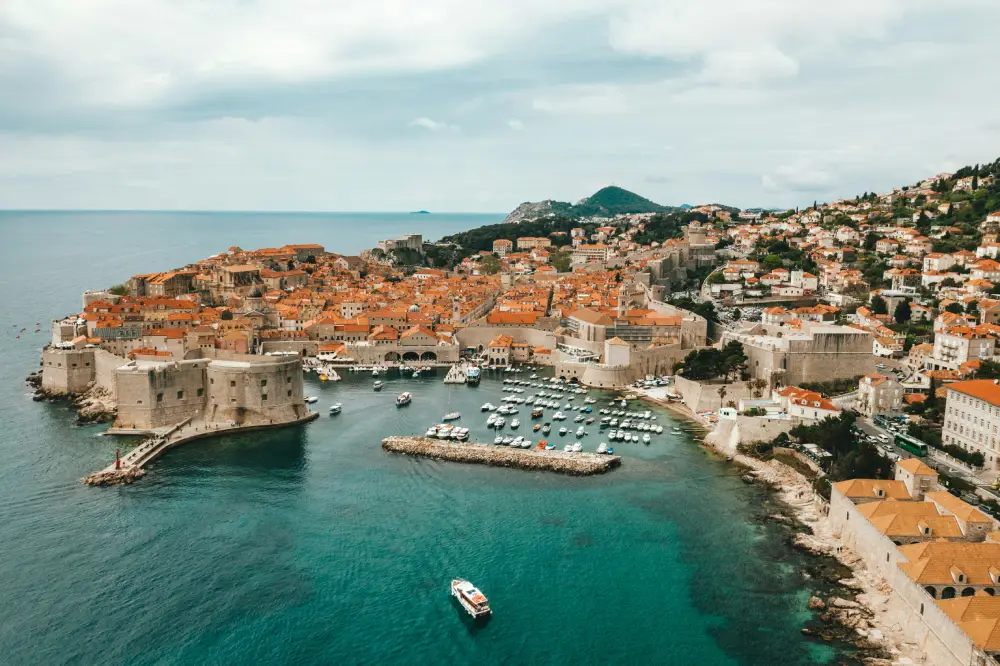
Blending Mediterranean charm, modern infrastructure, and an affordable cost of living, Croatia offers an inviting lifestyle perfect for anyone drawn to sunshine, scenic nature, rich history, and the sea. Croatia stands out as one of the more affordable countries in Europe, especially when compared to Western and Northern European nations. According to the 2026 Cost of Living Index, Croatia’s overall score stands at 52.4, significantly lower than neighboring countries like Italy (61.4) and Slovenia (54.1). With lower costs across housing, food, and transportation, citizens enjoy a comfortable lifestyle at a fraction of the cost. In addition to its favorable cost of living, Croatia ensures strong social support for families, and provide free healthcare for all minor children. Students remain covered up to the age of 26, provided that they are enrolled in regular education. Education in Croatia is widely accessible and either free or low-cost for all citizens. Furthermore, Croatia stands out as a top living destination, ranking 19th safest globally per the Global Peace Index.
- Flexible and Affordable Application Process
The Croatian CBA program opens a straightforward and accessible path to citizenship. Unlike many other immigration programs, applicants are not required to make any financial investments or establish residence in Croatia before applying. There is no upper age limit for applicants, and proficiency in the Croatian language is not required. This inclusivity has made the program especially attractive to members of the Croatian diaspora seeking to reconnect with their heritage.
Croatia ranks 12th in the world for its CBA program according to our Global Ancestry Index. This high-ranking stems from the program’s superior flexibility and accessibility. Unlike CBA programs in many other countries that impose strict generational limits, Croatia is one of the few with no such limit in its eligibility criteria. Moreover, Croatia allows individuals to enjoy the benefits of Croatian citizenship without renouncing their existing citizenship(s), making this one of the most accessible CBA programs in the world.
Eligibility for Croatian CBA
There is no generational limit for Croatia’s citizenship-by-ancestry program. Applicants who can demonstrate a direct connection to a Croatian ancestor may be eligible, provided the ancestor emigrated from modern-day Croatia before October 8, 1991.
It is essential for applicants to provide sufficient documentation to prove legitimate ancestral ties. This typically includes vital records such as birth and marriage certificates, name change documents, and, in some cases, death certificates or other relevant historical records that verify the family connection. Applicants are also required to collect police clearance certificates to demonstrate that they have a clean criminal record.
While the eligibility criteria outlined above provide the foundation for obtaining Croatian citizenship by ancestry, each case presents its own complexities. At Harvey Law Group, we adopt a meticulous, case-by-case approach, thoroughly assessing each client’s eligibility for Croatian CBA and identifying potential challenges such as documentation gaps or lineage complexities before assisting clients with the application process. If you lack sufficient documentation, our team collaborates closely with local Croatian legal professionals and genealogists to help procure the missing documents, ensuring the necessary evidence is provided to demonstrate the family tie to your Croatian ancestor.
Croatia CBA Application Process
The first step in applying for Croatian citizenship through ancestry is identifying your qualifying Croatian ancestor and gathering the necessary documentation to prove your ancestral link to them. After collecting the documentation that establishes your connection to your Croatian ancestor, it is essential to prepare your application package carefully to ensure it meets all translation, apostille, and other formal requirements set by the Croatian authorities.
The time it takes to process Croatian citizenship by ancestry applications can vary significantly from case to case; however, it typically ranges between 24 and 36 months. Applicants who lack sufficient documentation to verify their ancestral connection may experience extended processing times or potential rejection. Once the application is deemed complete and all legal requirements are met, the Croatian authority will issue an approval decision and grant Croatian citizenship.
Overall, Croatia’s citizenship by ancestry program stands out for its straightforward eligibility criteria and lack of generational limits, making it one of the most accessible pathways for individuals wishing to reconnect with their Croatian heritage. For many, this pathway represents an opportunity to strengthen family ties, embrace cultural identity, and enjoy the diverse opportunities that come with being part of the European community. The process can be relatively straightforward for those who meet the eligibility requirements, provided their applications are handled with careful preparation and attention to detail. At Harvey Law Group, we understand that navigating the path to second citizenship can be challenging and, at times, daunting. Therefore, our experienced lawyers provide comprehensive support throughout the entire process from genealogical research and document procurement to certified translations and apostilles. This structured and proactive approach helps minimize delays and ensures a smooth, efficient pathway to obtaining Croatian citizenship.
If you are interested in learning more, please contact your local HLG office here or email [email protected] for more details. Our lawyers would be delighted to assist you in your immigration journey.